


The "Hospital at Home" Revolution: Why Your Recovery Environment Is as Important as Your Treatment
- Jehu Michelo
- Apr 10
- 3 min read

The landscape of modern healthcare is shifting. For decades, the gold standard for recovery was a prolonged hospital stay. However, a growing body of medical research and a shift in patient preference are highlighting a new reality: for many, the most effective "step-down" facility isn't a ward, it’s the home.
As we move further into 2026, the concept of Mobile Nursing and Professional Bedside Assistance has evolved from a luxury to a clinical necessity. Here is why the "Hospital at Home" model is trending and how it is fundamentally changing patient outcomes.
1. Bridging the "Recovery Gap"
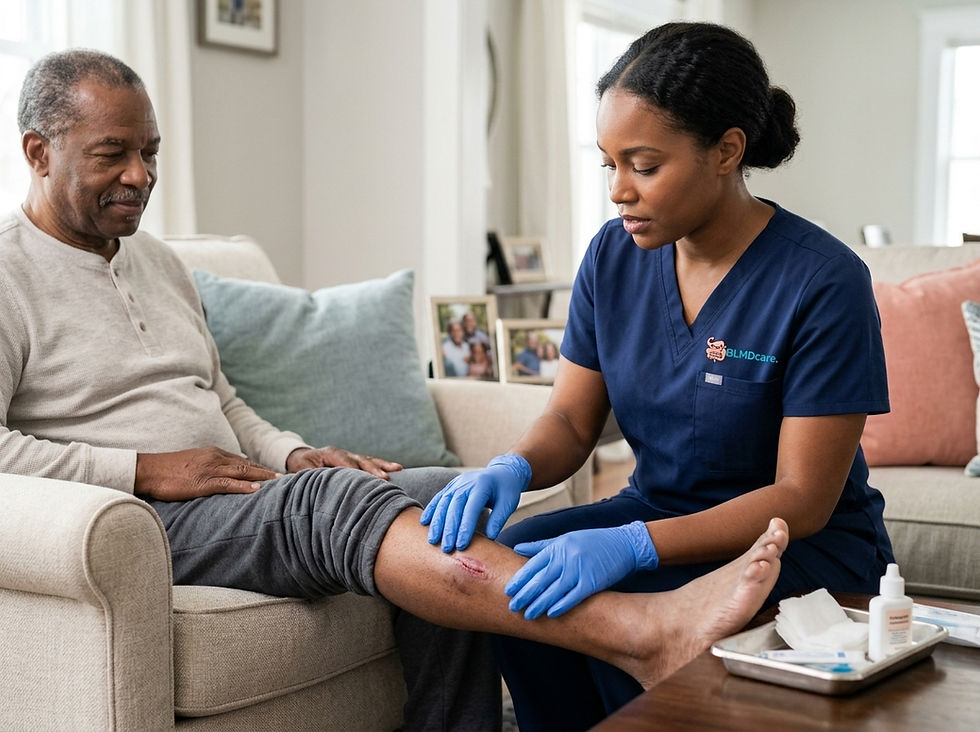
The Recovery Gap is the vulnerable period immediately following hospital discharge. In a clinical setting, patients have 24/7 monitoring. Once they cross their front door, that safety net often vanishes, leaving families to manage complex medication schedules, wound care, and mobility assistance.
Professional home-based care closes this gap by providing:
Clinical Continuity: Ensuring that the discharge instructions provided by surgeons or physicians are followed to the letter.
Early Detection: Mobile nurses are trained to spot the subtle signs of post-operative complications—such as infection or dehydration—long before they become emergency room visits.
2. The Psychology of the Familiar
There is a documented phenomenon in medicine known as Hospital Delirium, particularly among elderly patients. The constant beeping of monitors, artificial lighting, and interrupted sleep cycles, coupled with things like infection, dehydration, or severe pain, can lead to cognitive struggles and increased stress.
Recovery at home leverages the power of the familiar. Being in one’s own environment reduces cortisol levels, improves sleep quality, and encourages better nutrition. When a patient feels at home, their body is physiologically better primed for healing.
3. Personalized Bedside Assistance vs. Institutional Care
In a hospital, a single nursing station may be responsible for dozens of patients. In a home-based model, the ratio is 1:1. This allows for a level of detail that institutional care simply cannot match:
Mobility Support: Consistent, safe assistance with activities of daily living, reducing the risk of falls and sores; a leading cause of hospital readmission.
Companionship and Mental Health: Healing is not just physical. Having a dedicated professional bedside assistant provides the emotional support and social interaction that is often lost in a busy hospital environment.
4. Empowering the Family Unit
One of the most overlooked aspects of home-based care is the relief it provides to the family. Often, family members become "accidental caregivers," juggling their professional lives with the intense demands of caring for a loved one.
By utilizing professional mobile nursing services, the family can return to their primary role: being a family. This reduces caregiver burnout and ensures that the home remains a place of peace rather than a place of clinical stress.
Practical Tips for Transitioning from Hospital to Home
If you or a loved one are preparing for a discharge, consider this checklist to ensure a seamless transition:
Clear the Path: Remove loose rugs and clutter that could cause trips or falls.
Organize the Medication: Use a clear, dated pill organizer and ensure you have a medication log to track doses.
Secure Professional Support: Arrange for a mobile nurse or bedside assistant before the discharge date to ensure they are briefed on the specific clinical needs.
Nutrition Planning: Prepare easy-to-reheat, nutrient-dense meals that align with any dietary restrictions prescribed by the doctor.
The future of healthcare is mobile, personalized, and home-centric. Whether it is post-operative recovery, geriatric support, or managing a chronic condition, the goal is quality of life. Choosing professional home care means choosing a recovery that is as dignified as it is effective.

Comments