


Comprehensive Home Nursing Care Services: Supporting Recovery and Well-Being
- Jehu Michelo
- Apr 20
- 4 min read

When a loved one requires medical attention beyond what family members can provide, finding the right care solution becomes a priority. Home nursing care services offer a valuable option for patients who need professional medical support while remaining in the comfort of their own home. This approach combines medical expertise with personalized attention, helping patients recover safely and maintain their quality of life.
In this post, I will share insights into the benefits and components of home nursing care services, practical advice for families, and how professional care can make a difference in recovery and daily living.
Understanding Home Nursing Care Services
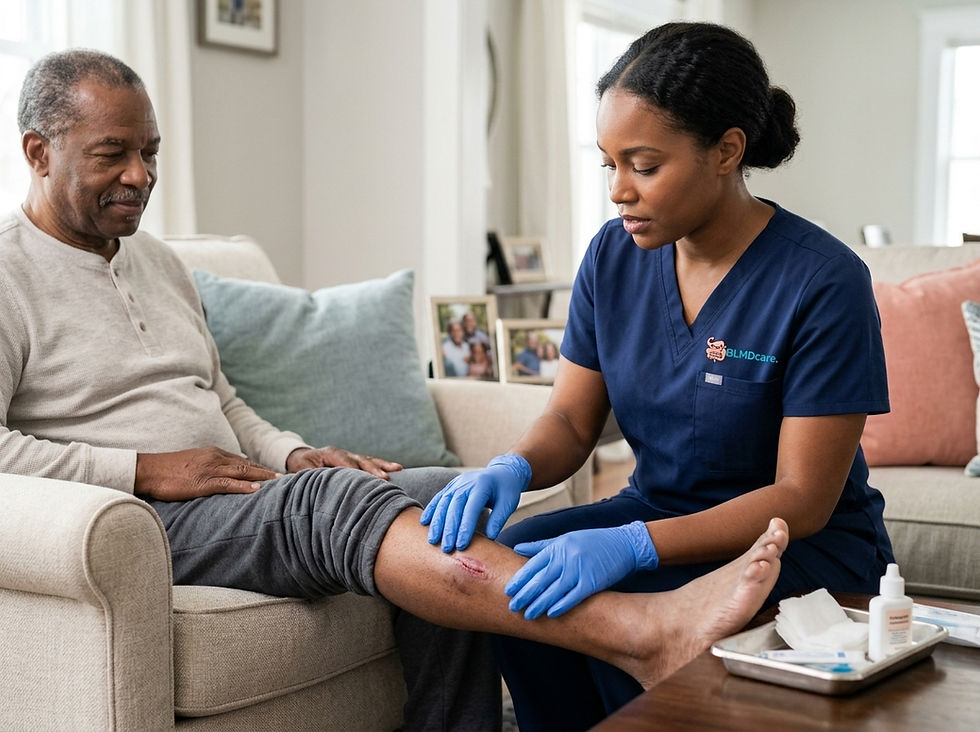
Home nursing care services involve trained healthcare professionals visiting patients at home to provide medical care, monitoring, and support. These services are designed for individuals recovering from surgery, managing chronic illnesses, or requiring ongoing medical supervision.
The key features of home nursing care include:
Medical monitoring: Nurses check vital signs, administer medications, and observe symptoms.
Wound care: Proper dressing changes and infection prevention.
Rehabilitation support: Assistance with physical therapy exercises and mobility.
Patient education: Teaching patients and families about care routines and health management.
Emotional support: Offering reassurance and companionship during recovery.
This type of care is especially beneficial for those who prefer to avoid hospital stays or cannot easily travel to medical facilities. It also reduces the risk of hospital-acquired infections and promotes faster healing in a familiar environment.

Key Benefits of Home Nursing Care Services
Choosing home nursing care services brings several advantages that contribute to better health outcomes and family peace of mind. Here are some of the most important benefits:
Personalized Care Plans
Each patient receives a care plan tailored to their specific medical needs and lifestyle. This customization ensures that treatments and interventions are appropriate and effective.
Comfort and Familiarity
Being at home helps patients feel more relaxed and secure. Familiar surroundings can reduce stress and anxiety, which positively impacts recovery.
Family Involvement
Family members can participate in the care process, learning how to assist and support their loved one. This involvement strengthens bonds and improves overall care quality.
Cost-Effectiveness
Home care often costs less than extended hospital stays or nursing home placements, making it a practical option for many families.
Continuity of Care
Skilled nurses provide consistent monitoring and communication with doctors, ensuring that any changes in the patient’s condition are promptly addressed.
By integrating these benefits, home nursing care services create a supportive environment that fosters healing and independence.
What are the 5 C's of Caregiving?
Effective caregiving requires a thoughtful approach that balances medical needs with emotional and practical support. The 5 C's of caregiving provide a helpful framework for anyone involved in patient care:
Care: Delivering compassionate and competent assistance tailored to the patient’s needs.
Compassion: Showing empathy and kindness to ease the patient’s discomfort and fears.
Competence: Having the necessary skills and knowledge to perform medical tasks safely.
Communication: Maintaining clear, honest, and respectful dialogue with patients and families.
Confidence: Building trust through reliability and professionalism in care delivery.
These principles guide caregivers in providing holistic support that respects the dignity and preferences of the patient.

Practical Tips for Families Managing Home Nursing Care
Families play a crucial role in supporting patients receiving home nursing care. Here are some practical recommendations to help make the experience smoother and more effective:
Prepare the Home Environment
Ensure the living space is clean, well-lit, and free of hazards. Arrange furniture to allow easy movement and access for medical equipment.
Keep Medical Information Handy
Maintain an organized file with the patient’s medical history, medication list, and emergency contacts. Share this information with the nursing team.
Communicate Openly with Nurses
Ask questions about care procedures and express any concerns. Regular communication helps prevent misunderstandings and ensures the patient’s needs are met.
Encourage Patient Participation
Support the patient in following care instructions and performing exercises. Motivation and involvement can speed up recovery.
Plan for Emergencies
Know when to seek immediate medical help and have a plan for transportation to a hospital if needed.
By following these tips, families can create a collaborative care environment that benefits everyone involved.
How Skilled Nursing Care at Home Enhances Recovery
One of the most important aspects of home care is the availability of skilled nursing professionals who provide advanced medical services. These nurses are trained to handle complex health conditions and deliver treatments that go beyond basic caregiving.
For example, patients recovering from surgery may require intravenous therapy, pain management, or monitoring for complications. Skilled nurses can perform these tasks safely at home, reducing the need for hospital readmissions.
Additionally, skilled nursing care at home supports chronic disease management by:
Administering injections or medications.
Monitoring blood sugar levels for diabetic patients.
Assisting with respiratory therapies.
Coordinating with physicians for ongoing treatment adjustments.
This level of care ensures that patients receive comprehensive medical attention without leaving their home, promoting comfort and stability during recovery.
Building a Trusted Partnership for Long-Term Care
Choosing home nursing care services is not just about medical treatment; it is about forming a partnership between healthcare providers, patients, and families. Trust and communication are essential to this relationship.
When selecting a home care provider, consider the following:
Credentials and Experience: Verify the qualifications and training of nursing staff.
Reputation: Look for providers with positive reviews and a history of reliable service.
Flexibility: Ensure the care plan can adapt to changing health needs.
Support Services: Check if additional services like physical therapy or counseling are available.
A trusted provider will work closely with families to create a care environment that respects patient preferences and promotes well-being.
Moving Forward with Confidence and Care
Home nursing care services offer a compassionate and effective way to support patients through recovery and chronic illness management. By combining professional medical expertise with personalized attention, these services help patients regain independence and improve their quality of life.
Families can feel reassured knowing that skilled nurses are available to provide expert care in a familiar setting. With proper preparation, open communication, and a focus on the 5 C's of caregiving, home nursing care can be a positive and empowering experience.
If you or a loved one need professional support, exploring home nursing care services is a step toward better health and comfort. Together, we can create a care plan that meets medical needs and nurtures well-being every day.

Comments